
The Concept of Luck in Gambling
The notion of luck is often romanticized in the world of gambling, where many players believe that sheer chance can lead to significant wins. This idea is deeply embedded in the psychology of casino-goers, who frequently attribute their success or failure to luck. It is not uncommon to hear players exclaim that they are “on a lucky streak” or that “the odds are in their favor today.” This highlights how integral the idea of luck is to the gambling experience, creating a thrilling atmosphere where fortunes can shift in an instant. For those interested in enhancing their chances, sport betting canada offers various options that intertwine luck and strategy, proving that the very act of gambling is entwined with the belief that luck can play a pivotal role in determining outcomes.
However, it is essential to differentiate between luck and skill when discussing casino outcomes. For example, in games such as poker, players can employ strategies and techniques that can enhance their chances of winning. Conversely, in games like slots or roulette, the outcomes are predominantly governed by random number generators, which means that luck plays a more substantial role. This distinction often blurs the lines for players, leading some to believe that they can influence luck through their actions or decisions, despite the inherent randomness of certain games. Therefore, while luck can be a factor, it’s crucial for players to understand the mechanics behind the games they play.
Ultimately, while luck can undoubtedly affect short-term outcomes at the casino, it is vital to approach gambling with a balanced perspective. Recognizing the distinction between games of chance and games of skill can help players make more informed choices. This understanding can also prevent players from falling into the trap of attributing every outcome to sheer luck, thereby allowing them to enjoy the gambling experience without unrealistic expectations. By embracing both elements, players can cultivate a more rewarding and responsible gambling journey.
The Role of Probability and Odds
When discussing casino outcomes, an understanding of probability and odds is crucial. Every game in a casino has a specific set of odds that dictate the likelihood of winning or losing. These odds are mathematically calculated based on the rules of the game and the probabilities associated with each possible outcome. For instance, in a game of blackjack, the player’s chances of winning can be influenced by the cards they are dealt and the dealer’s visible card. However, this is ultimately governed by statistical probabilities rather than luck alone. Understanding these probabilities allows players to make more strategic decisions, thereby potentially improving their chances of success.
Furthermore, the house edge plays a pivotal role in shaping the overall experience for casino players. The house edge refers to the mathematical advantage that the casino has over the players, ensuring that, on average, the casino will always come out ahead in the long run. This means that while players might experience short bursts of luck, their chances of achieving long-term success against the house are slim. Understanding this concept can help players maintain realistic expectations and appreciate the entertainment value of gambling. A clear grasp of the house edge encourages players to engage with the games in a way that is both enjoyable and informed.

By focusing on the probabilities rather than getting caught up in the idea of luck, players can enhance their decision-making in the casino. For example, knowing when to hit or stand in blackjack or understanding the odds of hitting a particular number in roulette can lead to more strategic gameplay. Ultimately, a rational approach to gambling that takes probabilities into account can help players maximize their enjoyment and potentially their winnings. This analytical mindset can transform the gambling experience from a mere game of chance into an exercise in strategy and skill.
Cognitive Biases and Gambling Behavior
The psychology behind gambling is complex, influenced by various cognitive biases that can skew a player’s perception of luck. One common phenomenon is the “gambler’s fallacy,” where players believe that past outcomes will influence future results. For example, a player may think that because a particular number hasn’t come up in a while, it is “due” to appear soon. Such misconceptions can lead to irrational betting behaviors, further complicating the relationship between luck and outcomes. This fallacy can lead players to make poor decisions based on flawed reasoning rather than sound strategy.
Another cognitive bias that impacts gambling behavior is the “hot-hand fallacy,” where players believe that a person who has had success in the past is more likely to continue winning. This belief can create a false sense of mastery and lead players to make riskier bets. Understanding these biases is essential, as they can significantly affect decision-making and ultimately the outcome of casino experiences. Recognizing that luck is unpredictable can help players avoid falling into these cognitive traps and encourage a more rational approach to gambling.
To counteract these biases, it is crucial for players to approach gambling with a clear mindset, grounded in an understanding of probability and the randomness of outcomes. Maintaining an awareness of how cognitive biases can distort perception enables players to make more informed and rational decisions at the casino table. Engaging in self-reflection and critical thinking can help players manage their expectations and emotions while gambling, ultimately leading to a more enjoyable experience. By fostering a rational mindset, players can navigate the unpredictable nature of luck with greater confidence.
The Influence of Environment on Luck
The environment in which gambling takes place can also play a role in how players perceive luck. Factors such as the ambiance of a casino, the behavior of other players, and even music can create a psychological atmosphere that heightens the sense of luck. For instance, sparkling lights and celebratory sounds of wins can make players feel more optimistic and lucky. This emotional uplift can sometimes lead to better decision-making or, conversely, to recklessness as players get swept up in the excitement. The immersive experience of a casino can manipulate players’ perceptions and expectations, influencing their overall gambling behavior.
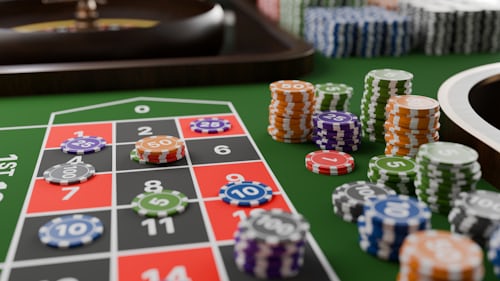
Additionally, social dynamics can influence players’ beliefs about luck. The presence of other players can affect individual performance, with some people feeling more confident and lucky in a bustling environment surrounded by others who are experiencing wins. Conversely, a quieter atmosphere might evoke feelings of isolation and lower morale, which can affect a player’s enjoyment and overall performance. Thus, the casino environment plays a significant role in shaping perceptions of luck. By understanding this dynamic, players can be more mindful of how their surroundings impact their gambling experience.
Ultimately, while the physical and social environment can influence a player’s experience, it is crucial to remember that luck remains an unpredictable factor. Acknowledging the interplay between environment and luck can enhance players’ awareness of how external factors can shape their gambling mindset, leading to a more holistic and enjoyable experience at the casino. Creating a positive mindset, irrespective of the surroundings, can help players navigate their gambling journey with greater resilience and enjoyment.
The Role of Responsible Gambling
When it comes to gambling, understanding the role of luck and its influence on outcomes should go hand-in-hand with practicing responsible gambling. Players must recognize that gambling should be viewed as a form of entertainment rather than a reliable source of income. The unpredictable nature of luck means that players can experience both wins and losses, making it essential to set limits on spending and establish boundaries to ensure an enjoyable experience. This awareness can prevent players from developing unhealthy gambling habits and promote a balanced approach to gaming.
Responsible gambling practices also involve self-reflection and an honest assessment of one’s relationship with gambling. Players should regularly evaluate their motivations for participating in casino games and be mindful of the emotions involved. Understanding whether the thrill of luck is driving their behavior can help players make more informed choices and avoid falling into a cycle of chasing losses. By fostering a healthy relationship with gambling, players can appreciate the entertainment aspect without letting it negatively impact their lives.
By embracing the concept of responsible gambling, players can enjoy the excitement of casinos while maintaining control over their actions. This approach ensures that experiences remain fun and light-hearted, allowing individuals to appreciate the thrill of gambling without letting the unpredictability of luck lead them astray. Recognizing the difference between luck and responsible behavior can create a healthier relationship with gambling, promoting long-term enjoyment and satisfaction. Ultimately, responsible gambling practices empower players to engage with the thrill of chance in a way that is both safe and enjoyable.